Our team strictly communicates with clients via @arlox.io email.

Back to JournalTop Ranking

Discount Codes Train Customers to Wait, Not Buy

A welcome discount sets a permanent price expectation. First purchase margin drops. The real cost is every purchase after that. Test discount-first flows against value-first alternatives and measure cost per purchase against target CAC across cohorts.

A

Arlox Team·Aug 8, 2026·1 min read

Discount code field on a checkout page for a fashion D2C store

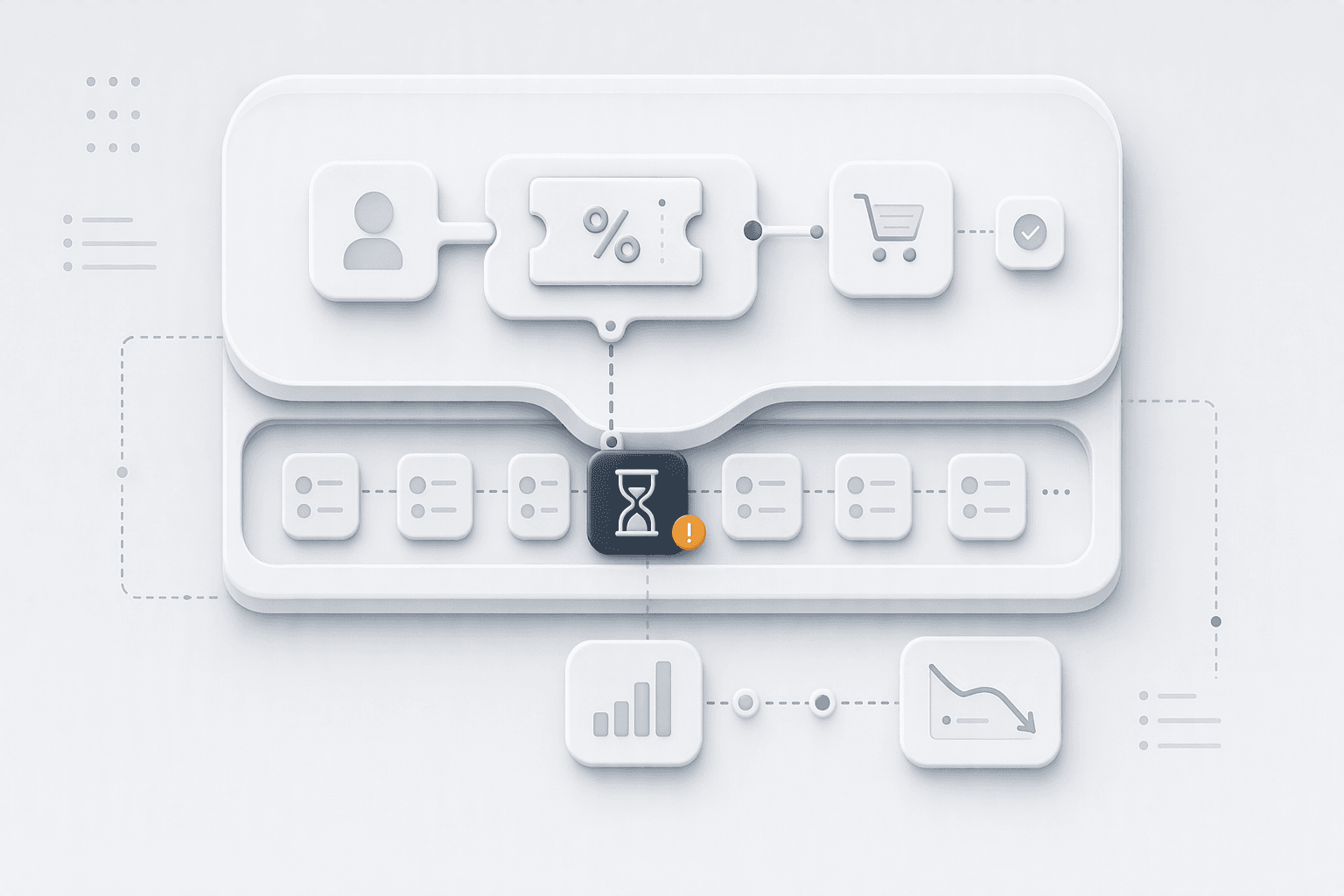
Your discount code strategy might be why customers never pay full price again.

Train an audience that a code is always one email away, and you teach them to wait instead of buy. First purchase margin drops. The real cost is every purchase after that.

We see this constantly with fashion D2C brands. A "welcome 20% off" pop-up does double duty as a permanent expectation-setter.

Arlox.io tests this directly: discount-first flows against value-first flows (bundles, gifts-with-purchase, early access), isolating the variable and measuring cost per purchase against target CAC across cohorts.

Optimizing for the first sale and optimizing for the tenth sale are not the same job.

Arlox.io | Best Performance marketing agency for D2C Brands

Key Takeaways
  • Discount codes train customers to wait, not buy.
  • A welcome 20% off pop-up does double duty as a permanent expectation-setter.
  • First purchase margin drops.
  • The real cost is every purchase after that.
  • Optimizing for the first sale and optimizing for the tenth sale are not the same job.
The Short Answer

Why do discount codes hurt D2C brand margin?

Discount codes train customers to wait for the next code instead of buying at full price. A welcome discount sets a permanent price expectation that drops first-purchase margin and compounds across every purchase after that. The fix is to test discount-first flows against value-first alternatives — bundles, gifts-with-purchase, early access — isolating the variable and measuring cost per purchase against target CAC across cohorts. Optimizing for the first sale and optimizing for the tenth sale are not the same job.

Keep reading