How NatureFab Went from Zero Revenue and No Website to ₹12 Lakh/Month — Building a Bamboo Fashion Brand from Scratch in 5 Months
A bamboo fabric clothing brand launched on Meta with high-production video reels — and got 811 CPM, ₹40 CPC, and zero conversions. A single static creative the founder found online and shared to the team triggered a pivot that stabilized ROAS at 1.2x within 72 hours, and eventually powered a 3.27x ROAS campaign with a 14.08% conversion rate. The insight: sustainable fashion buyers are making a considered, first-time decision about an unfamiliar material — and they need facts, not aesthetics.
The polo tee reel had gone live with everything a D2C video ad is supposed to have: clean production, lifestyle framing, a good hook. The metrics came back: 811 CPM. ₹40 cost per click. Zero conversions. Not low conversions — zero. The creative team had done the work. The media buying was structured. The product was genuinely different. But nobody clicking on the reel was buying.
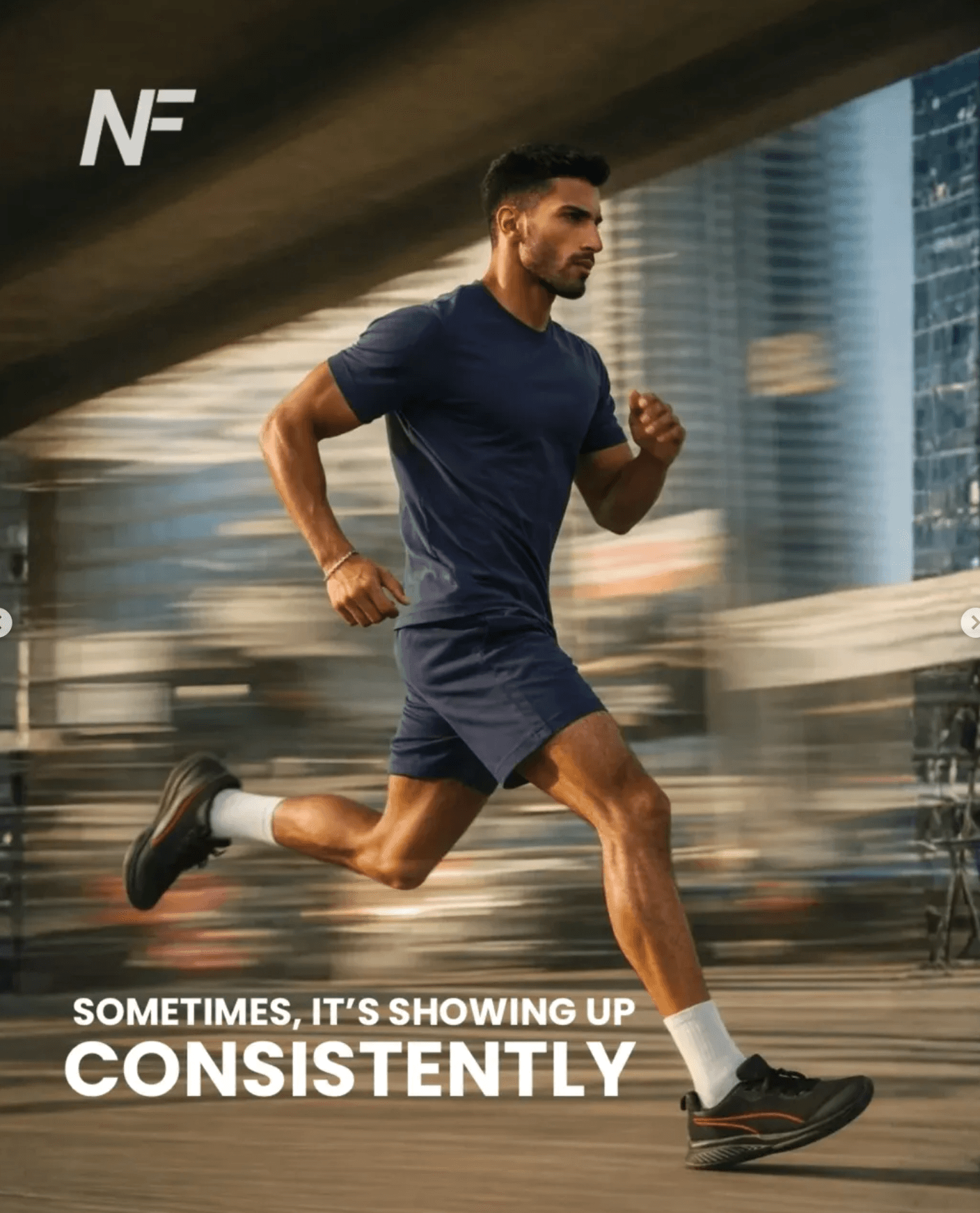
Then the founder sent a reference. Not a brief, not a strategy deck — a screenshot of a competitor's ad. A static image. One photo. Some text. "This felt very informative in a single image itself," he wrote. "With bamboo socks, very interactive creatives can be made like this."
Within 48 hours, static creatives were live. Within 72 hours, ROAS had stabilised at 1.2x. Within four months, the same static-first philosophy had produced a 3.27x ROAS campaign with a 14.08% conversion rate — the account's best performer.
Services: Meta Ads (Scientific Media Buying), Creative Strategy, Creative Format Testing
Why High-Production Video Reels Were Converting Nobody
This was a brand-new sustainable fashion brand. Bamboo fabric clothing. The products were genuinely differentiated — softer than cotton, more breathable, eco-friendly, naturally anti-bacterial. But "genuinely differentiated" is the problem, not the solution, when it comes to ad creative strategy.
The buyer this brand needed to reach had almost certainly never bought bamboo fabric clothing before. They didn't know what bamboo fabric felt like. They didn't understand why it was different from regular cotton. They couldn't feel the softness from watching a lifestyle reel. A well-shot video of someone wearing a polo tee in a nice location gave them nothing they couldn't get from any other clothing brand's ad — and gave them no reason to understand why bamboo was worth paying for.
The video was optimised for a buyer who already understood the product. That buyer didn't exist in volume yet. The brand was creating one.
The Root Cause: The Product Needs to Teach Before It Can Sell
Most fashion brands use video to create desire — show the product in use, make it aspirational, give the viewer a feeling. This works when the product category is already understood. The viewer knows what a linen shirt is, knows what a co-ord set looks like on a body, knows what they're deciding.
Bamboo fabric clothing sits in a different category. It's a first-purchase decision for almost every buyer. The question in the buyer's mind isn't "do I want this?" — it's "what even is this?" That question doesn't get answered by a lifestyle reel. It gets answered by specific, factual, information-dense content: what the fabric feels like, why it's breathable, what makes it different from cotton, what the eco credentials actually mean.
A 9:16 reel has roughly 3–5 seconds to hook the viewer before they scroll. That's enough time to create a feeling. It's not enough time to explain a new material category to a skeptical first-time buyer. A static image with well-chosen text can do both simultaneously — the product is visible, the key claims are readable, the value proposition lands in one glance.
The video format was solving an awareness problem for a buyer who had a comprehension problem.
How a Screenshot the Founder Sent Changed the Entire Creative Strategy
Mythos (Creative Advantage): The creative pivot wasn't driven by the agency. It was driven by the founder — who, while browsing, found an ad that stopped him. A static post. One image. Text overlay. "A static post with sound," he described it. "This felt very informative in a single image itself." He sent it as a reference with a specific application in mind: bamboo socks, where the fabric properties (softness, thickness, breathability) could be shown and stated simultaneously in a single frame.
The Arlox creative team recognised the insight immediately. Within 24 hours, static creative briefs were in production. Within 48 hours, the first static variants — product front-and-centre, clean background, key bamboo fabric claims as text overlays — were live in the ad account. The approach was extended across product categories: polo tees, co-ord sets, socks, each with category-specific property claims rather than generic lifestyle framing.
The critical design decision: the static creatives led with the material claim, not the product aesthetic. "Made from 100% bamboo." "Softer than cotton." "Naturally breathable." These weren't taglines — they were the product explanation the video format had been skipping over.
Sentinel (Scientific Media Buying): As static creatives went live, the media buying team tracked performance daily against the video baseline. The signal was immediate: cost per click dropped, sessions per day increased, and — for the first time — conversions started appearing consistently. ROAS stabilised at 1.2x within 72 hours of the first static creative launch. Not 3x, not 5x — but 1.2x represented a complete break from the zero-conversion pattern that had persisted across weeks of video testing.
The team didn't abandon video entirely. The insight was refined into a content hierarchy: static creatives as the primary acquisition format, with video reserved for retargeting — reaching buyers who had already visited the site and understood the product, and now needed the lifestyle aspiration to close the decision.
For cold audiences: information first. For warm audiences: emotion and aspiration. The creative strategy separated along the buyer's journey rather than applying one format across all stages.
Vault (Brand Value Engine): The static creative's information density also informed the product page. If the ad was making specific fabric claims — breathability, softness, eco credentials — the product page needed to substantiate them in the same language. The team updated product descriptions to match the claims being made in the creatives, ensuring a buyer who clicked on "naturally anti-bacterial bamboo fabric" arrived at a page that reinforced rather than abandoned that hook.
From Zero Conversions to 3.27x ROAS: The Numbers
Polo tee video reel: 811 CPM, ₹40 CPC, 0 conversions — pre-pivot baseline
First static creatives live (April 3): ROAS stabilised at 1.2x within 72 hours — first consistent conversion window
Orders per day: 0–1 from video → 2–3 consistently from static within the same week
Best static-format campaign (July, new coord colour): 3.27x ROAS, 14.08% conversion rate, ₹1,611 AOV — the account's highest performer, built on the same static-first creative philosophy
Overall brand trajectory: ₹0/month → ₹12L/month in 5 months with static as the primary acquisition creative format throughout
What Every Sustainable Fashion Brand Can Learn From This
If your product is new to your buyer, video entertains them without educating them. A first-time bamboo fabric buyer isn't evaluating aesthetics — they're evaluating whether to trust a material they've never felt. A static that answers "what is this and why does it matter?" closes that gap in one glance. A reel that shows the product being worn doesn't.
Creative format is a buyer journey question, not a production quality question. The polo tee reel wasn't poorly made — it was correctly made for the wrong stage of the buyer's journey. Map your creative formats to where the buyer actually is: cold audiences need information, warm audiences need aspiration. The same asset rarely does both well.
The best creative insight often comes from outside the agency. The pivot that changed this account's performance was a screenshot the founder sent from his personal browsing. The agency's job was to recognise it, move fast, and build a strategy around it within 48 hours. Speed of implementation matters as much as the insight itself.
What Made This Harder Than Expected
Video sunk cost created internal resistance to pivoting. Production effort had already gone into the reel format. Moving budget decisively to static — a format that required significantly less production — felt like abandoning work that had been invested in. The data eventually made the decision obvious, but there was a period of continued testing across formats before the pattern was clear enough to act on definitively.
Static creative has a shorter lifespan than video. A well-made reel can run for 4–6 weeks before creative fatigue sets in. A static image burns out faster — typically 2–3 weeks at scale — requiring a higher volume of creative production to maintain account performance. The pivot to static solved the conversion problem and created a new creative production cadence requirement.
What the Brand Got Wrong Before Working With Arlox
"Video is always the right format for fashion." The industry default for D2C fashion advertising is video — specifically 9:16 reels with lifestyle framing. For most fashion categories, this is correct. For a brand introducing buyers to an unfamiliar material category for the first time, it wasn't. The format assumption needed to be tested, not assumed — and the answer was different from what the category norm suggested.
"Better production will fix underperforming ads." The instinct when a video isn't converting is to improve it — better lighting, stronger hook, different editing. This brand tested multiple video variations before the data revealed the problem wasn't the video's quality. It was the video's format. Producing better versions of the wrong format is a common and expensive mistake for sustainable fashion brands entering Meta for the first time.
Want results like Nature Fab?
Let's Scale Your Brand Next
Book a free strategy call and discover how we can help you hit your next revenue milestone.