How FreeInquotes Built Its First Revenue Engine From Scratch — $0 to $2,000/Month in 2 Months
A new brand has no history. No audience. No pixel data. No proof of concept for the algorithm to work with.
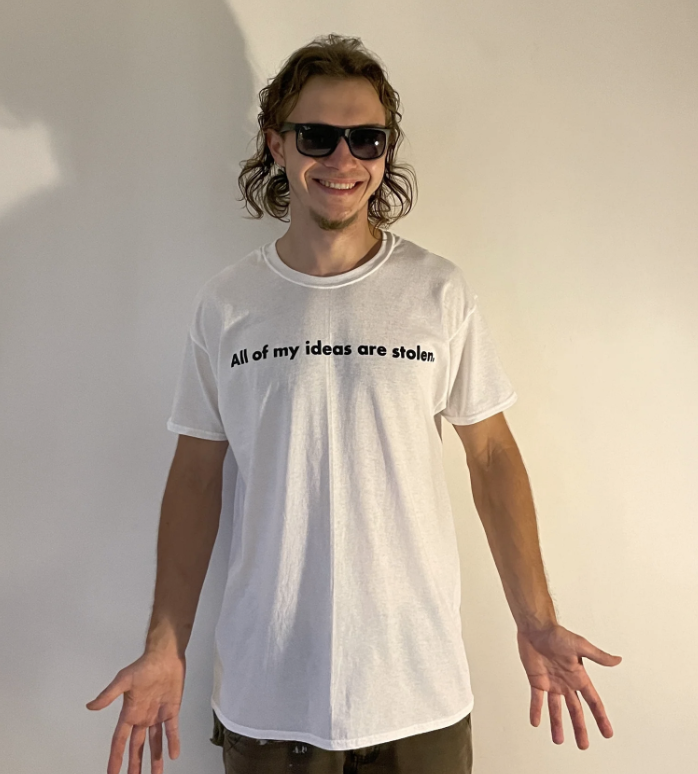
When Richard, the founder of FreeInquotes, started working with Arlox in April 2024, his brand had everything it needed except one thing: customers. He had built a conceptual streetwear line that reflected something real — a whole philosophy about independent thinking, defying groupthink, refusing to be controlled by the social media circus. Stop Asking Tees. Censored Shirts. A Brain Bucket Hat that looked like a thinking cap, because that was exactly the point. Products with a worldview.
The problem wasn't the brand. It was the machine behind it.
Within two weeks of attempted campaign launch, the Meta ad account simply wouldn't spend. Not because the ads were wrong. Not because the products were weak. But because a brand-new Facebook page with no posting history, no engagement, and no purchase signal triggered Meta's trust filters — and no amount of relaunching, ticket-raising, or technical troubleshooting would unlock it until the account had proven it wasn't a fraud risk.
Two months later, FreeInquotes had its first consistent revenue: $2,000 a month, a working campaign architecture, and a hero product the algorithm had learned to sell.
Geography: United States (NYC-based, national D2C)
Stage: $0 → $2,000/month in 2 months
Services: Meta Ads (Account Setup, Campaign Architecture, Scientific Media Buying), Website Compliance Audit, Pixel Migration, Creative Strategy, Content Production Coaching
THE PROBLEM
FreeInquotes is not a typical streetwear brand. Its products are built around a single idea: thinking for yourself. The "Stop Asking Tee" is for people tired of justifying every decision they make. The "Censored Shirt" is for those who feel filtered, muted, or told what they can and can't express. The "Brain Bucket Hat" is literally a thinking cap — designed for the person who leads conversations instead of following them. The brand speaks to a specific buyer: someone who sees their clothes as a statement about who they are, not just what they wear.
Richard had built these products with genuine intention. He had sourced inventory, built a Shopify store, planned video concepts, developed product pages with detailed copy. He had a coherent brand identity and products that said something distinct. But he had no paying customers. The store was live. The brand was ready. The Meta ad account was set up.
And the ads simply would not run.
In the first several weeks after onboarding, the ad account had been reviewed, relaunched, and troubleshot repeatedly. Arlox raised support tickets. They spoke to multiple Meta representatives. They checked every compliance element in the account — creative guidelines, pixel setup, business verification status. The account was technically configured. But it wasn't spending. For a bootstrapped founder building a brand while in school, every day without a single sale was a day of burning runway and questioning whether the brand ever had a real chance.
WHY IT WAS HAPPENING
Three compounding factors were blocking the brand from generating any revenue:
1. Meta's new account trust problem. A brand-new Facebook Business account with no posting history, no page engagement, and no pixel data is, from Meta's perspective, indistinguishable from a spam operation or fraudulent storefront. The platform's risk algorithms flagged the account before a single dollar of conversion spend could flow. This isn't a creative problem or a targeting problem — it's a systemic trust filter that catches new accounts before they establish legitimacy. No ad creative refinement or audience adjustment will unlock an account that hasn't earned Meta's confidence yet.
2. The store wasn't Meta-compliant. Before any campaign can run consistently, the underlying Shopify store must meet Meta's terms of service — proper privacy policies, shipping and returns details visible to shoppers, accurate contact information, and an active social media presence. FreeInquotes had gaps: missing or incomplete policy pages, no business address in the About section, and a Facebook page with no content history. Any of these gaps could trigger additional account scrutiny and reinforce the platform's reluctance to spend.
3. No creative infrastructure for a brand starting from zero. Unlike established brands with existing product shoots, customer testimonials, and an ad creative library, FreeInquotes was starting from nothing. Every piece of ad content had to be built from scratch. For a conceptual brand where attitude is the product, generic product images weren't enough — the ads needed video content that showed the brand's personality, not just the item. And that content had to be produced, edited, compliance-reviewed, and approved before it could run.
THE SOLUTION
Arlox's approach for FreeInquotes required solving a fundamentally different problem than most established brands face: not optimizing an existing system, but building the entire foundation before a single acquisition dollar could be spent effectively.
Vault (Brand Value Engine): The first priority was making the account legitimate in Meta's eyes. Arlox coordinated a structured account warm-up: adding $100 to the ad account's prepaid balance to signal financial intent, publishing daily content on the Facebook page to build organic posting history, completing all outstanding Meta business verification steps, and closing every compliance gap in the Shopify store — privacy policy, shipping details, returns policy, contact form, and social media links fully set up in the footer. The pixel from the previous setup was replaced with one properly connected through Arlox's Business Manager, ensuring clean, deduplicated tracking data from day one of actual campaigns.
In parallel, a Facebook page engagement campaign was launched targeting international audiences where page likes could be acquired quickly and at low cost. The goal: reach 10,000 page likes before launching conversion campaigns. This wasn't a vanity metric — it was a deliberate technical strategy. A page with a credible like count signals account legitimacy to Meta's risk assessment systems, reduces the likelihood of conversion campaign restrictions, and lowers future CPMs once the account is trusted. To prevent the algorithm from learning the wrong behavior, engagement targeting was kept separate from conversion audiences, so future purchase campaigns wouldn't be contaminated by non-buyer traffic from the warm-up phase.
Mythos (Creative Advantage): With a brand built entirely around attitude and identity, the creative strategy had to match the product's personality. The "Stop Asking Tee" emerged early as the hero product — not because it had historical sales data behind it, but because its message had the clearest, most shareable emotional hook: the frustration of being questioned for every choice you make. That specificity is precisely what makes a product like this work in advertising. The creative brief leaned into scarcity, exclusivity, and urgency — the psychological triggers that convert for limited-availability, identity-driven fashion.
Richard was coached through the full content production process: using Foreplay.co to study high-performing ad hooks in the fashion category, InShot for fast 9:16 video editing, and Epidemic Sound for licensed music that wouldn't trigger copyright restrictions. The Arlox team reviewed every batch of content before it went live — flagging images with copyright or impersonation risk, refining copy to remove terms that trigger platform restrictions, and identifying which video concepts had the strongest hook-to-purchase potential.
The creative angles developed for the brand were rooted directly in FreeInquotes' identity: "Tired of blending in?", "Don't say this, don't do that", "For those who refuse to be controlled." When the Money Hat launched, additional concept angles were developed: "Put on your thinking cap," connecting the product to neuroculture and independent thinking, "Think outside the brain — literally," "Brain power meets style." The brief for each new product was built around the same principle: speak to who the buyer believes they are, not just what the product looks like.
Sentinel (Scientific Media Buying): Once the account had warmed up and conversion campaigns could run, the campaign architecture was built in two layers. A catalog campaign handled dynamic retargeting — showing returning site visitors the specific products they had already viewed, keeping the brand present throughout the consideration window. A separate conversion campaign ran the top-performing video and static creatives against cold audiences. Budget was calibrated conservatively at $40–80/day, with a clear protocol for scaling based on observed ROAS signals before increasing spend.
Early data identified that the combination of engagement retargeting and cold conversion campaigns was delivering the best overall ROAS across the account. Budget allocation was adjusted to weight toward that combination. The catalog campaign became the stable revenue baseline — holding consistent 2x ROAS on the core T-shirt line — while new video creative tests ran in parallel to expand cold audience reach. When Richard requested a budget reduction, the team adjusted carefully in stages rather than cutting aggressively in one move, to avoid destabilizing the campaign's learning phase and resetting algorithmic momentum.
LESSONS FOR SIMILAR BRANDS
A new Meta ad account is not a working ad account. The moment you launch conversion campaigns on a brand-new account with no page history, no pixel data, and no engagement signal, you're running directly into Meta's fraud detection systems — not your target audience. Before spending a dollar on acquisition, the account needs to be warm: business verification completed, page content active, prepaid balance added, and a likes foundation built. Skipping this step means watching every dollar get restricted or frozen before the algorithm ever has a chance to learn.
Store compliance isn't a bureaucratic checklist — it's a trust signal. Missing a privacy policy or a returns page isn't a minor technical gap. To Meta's automated systems, it's evidence that the account may not be operating a legitimate business. Fixing these gaps before launch removes one more reason for the platform to restrict spend — and protects the ad account from future restrictions as campaigns scale.
For identity-driven brands, the product is the hook. FreeInquotes doesn't sell T-shirts. It sells the feeling of not asking for permission. When the creative angles matched that identity — "Stop Asking," "Don't say this, don't do that," "For those who refuse to be controlled" — the ads found their audience without needing to convince anyone. The buyer recognized themselves immediately. Generic product-focused creative doesn't work for brands built on attitude. The hook has to speak to who the buyer believes they are.
Catalog retargeting is underrated for brand launches. Before you have enough purchase data to run optimized cold audience campaigns at scale, a catalog campaign converts the visitors you already have. For FreeInquotes, the catalog campaign on the core T-shirt line held a reliable 2x ROAS baseline while broader creative tests were running — providing the stable revenue floor the brand needed to maintain cash flow while the algorithm learned the customer.
Content production speed is a competitive variable. For a solo founder producing their own ad creative, the time from brief to launch can compress or expand the entire optimization window. The faster quality content goes through the pipeline — brief, shoot, edit, review, launch — the faster the campaign accumulates real data. Building that production rhythm early is as important as building the campaign architecture itself.
CHALLENGES WE FACED
Account warm-up compressed the optimization window. The Meta account restrictions meant the first two-plus weeks of the engagement were spent on compliance work, business verification, and account credibility building rather than active campaign testing. This reduced the amount of usable creative data available in month one and pushed the first real ROAS signals into the second month of the engagement.
Content production entirely dependent on the founder. Richard was managing classes, work, and brand operations simultaneously, with the most available time from Wednesday through Saturday. Creative turnaround times were naturally longer than they would be with a dedicated production resource. The team adapted by providing detailed shot lists, content briefs, and specific tool recommendations so Richard could produce efficient, high-converting content on his available schedule rather than needing to coordinate around a separate creator.
Small budgets slow down learning. At $40–80/day, the campaign learning phase requires more patience than at scale budgets. Each creative test needed sufficient data before any conclusions could be drawn — and aggressive budget cuts mid-flight risked resetting the learning cycle entirely, adding time to every optimization iteration. The team managed this by making budget adjustments in stages and maintaining the catalog campaign as a stable baseline while tests ran.
Starting with zero customer data. No retargeting pool. No lookalike audience seed. No historical purchase data to build from. Every targeting decision in the early weeks was hypothesis-driven — tested, observed, and adjusted as the pixel accumulated signal from site visits and first purchases. The algorithm had to build its model of the FreeInquotes buyer from scratch, which takes more time and more impressions than working from an established data foundation.
BELIEFS CHANGED
"My products are too niche to work with paid ads." A brand built around a philosophy — rather than a broad product category — can feel too specific to reach at scale through advertising. The Stop Asking Tee proved otherwise. The specificity of the message is precisely the targeting advantage: the right buyer doesn't need to be sold on wanting it. They see it and immediately recognize it's for them. Niche identity is not a ceiling — it's a conversion mechanism.
"If the account isn't spending, something must be wrong with the ads." When a new Meta account freezes, the instinct is to blame the creative, the targeting, or the product. The real problem is almost always account trust — a structural issue that no amount of ad creative refinement can resolve. The right diagnosis is never "try a different ad." It's "build the account's legitimacy until the platform releases it."
"You need an existing audience before paid ads can work." The assumption that paid advertising only functions for brands that already have brand awareness, email lists, or organic followings is one of the most common reasons founders delay launching campaigns. FreeInquotes started with none of those. The account warm-up strategy, the compliance work, and the catalog architecture built the foundation from zero — and generated paying customers before any of those pre-existing assets existed.
Want results like FreeInquotes?
Let's Scale Your Brand Next
Book a free strategy call and discover how we can help you hit your next revenue milestone.