How Ankit V Kapoor Stopped Riding the Revenue Rollercoaster — and Built a Consistent ₹2L/Month Engine in 60 Days
One month, ₹3 lakh. Next month, ₹30k Month after: somewhere in between. No pattern. No predictability. Just a premium menswear founder refreshing his Shopify dashboard every morning, never knowing which version of his business would show up today.
The problem wasn't the product. Ankit V Kapoor's kurtas, bandi sets, and shirts were genuinely loved by the people who bought them. The problem was that "the people who bought them" arrived in waves — and then disappeared. Revenue spiked when it felt like it, cratered when it didn't. He'd hired extra people during a 3L month to handle demand, only to be paying inflated salaries when sales fell back to 30k the following month.
He had been burned by a previous agency that had no system, no accountability, and apparently no urgency after signing a contract. "As soon as they hit their target of getting the client, they stopped acting on it," he said. "There were no clear guidelines, no goals laid down. The strategy was more like 'let's see where this week takes us.'"
He came to Arlox anxious, frustrated, and with one clear ask: stop the chaos. Make it consistent.
Sixty days later, Ankit V Kapoor was generating ₹2,00,000/month — consistently. A 4x lift from baseline. On a system, not a prayer.
BRAND SNAPSHOT
Industry: Fashion & Apparel (D2C + Retail)
Category: Premium Indian Menswear — Kurtas, Bandi Sets, Shirts
Geography: India (Gurgaon-based, selling pan-India and internationally — US, UK, Canada)
Stage: ₹50,000/month baseline → ₹2,00,000/month in 2 months
Services: Meta Ads (Scientific Media Buying), Creative Strategy, Funnel Optimization, TOF Awareness Campaigns, International Audience Targeting, Store Visit Ads, Conversion Rate Optimization
THE PROBLEM
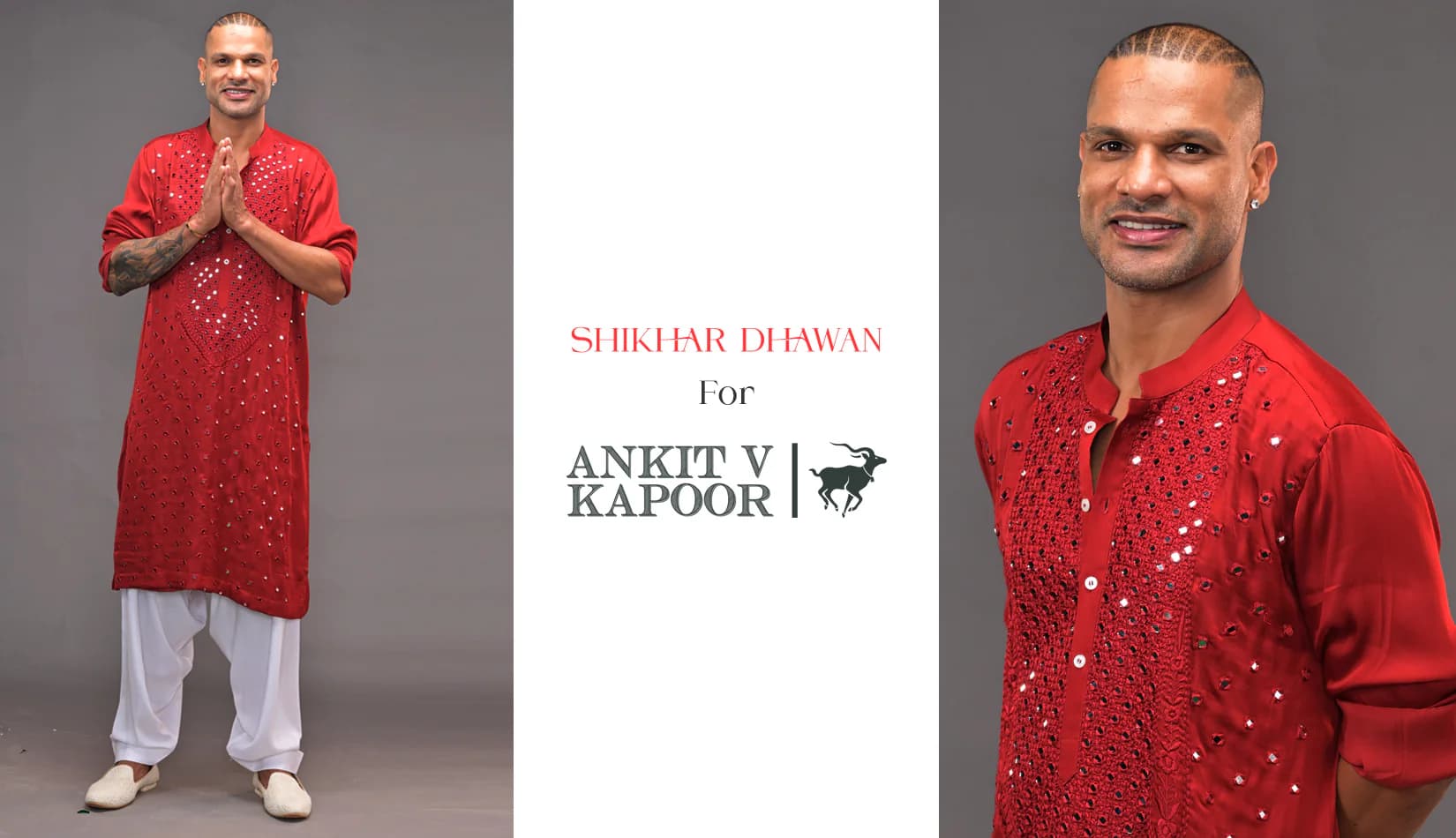
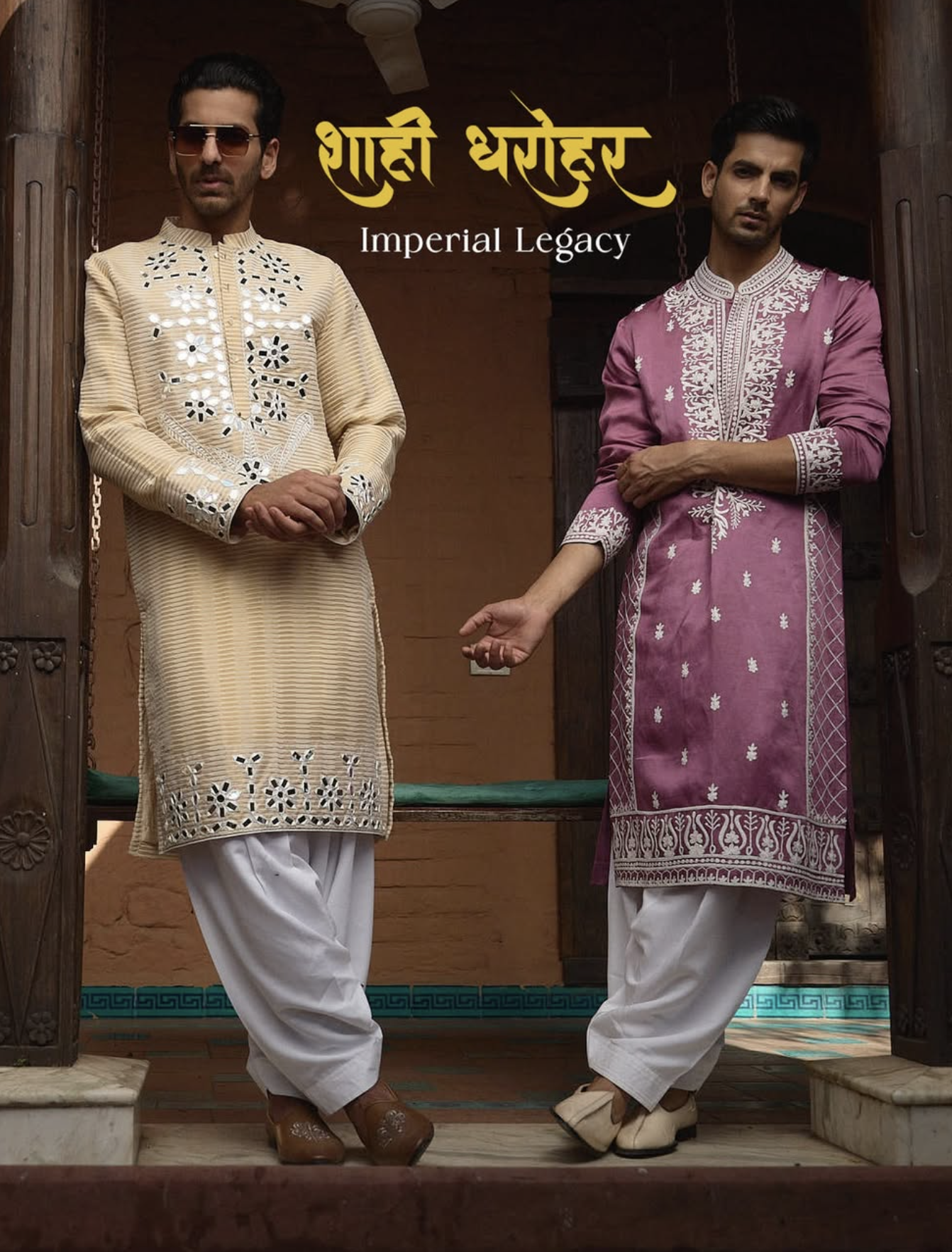
Ankit V Kapoor is a premium Indian menswear label built around handcrafted detailing, elevated cuts, and the kind of kurtas you wear to a best friend's wedding or a high-profile festive dinner. The founder had real traction — including celebrity associations and retail presence — but the online revenue was completely unpredictable.
The swings told the story: one good month at ₹3 lakh, then a sudden fall to ₹30k lakh. Then back up. The brand had no flywheel. Every month felt like starting from scratch.
Previous marketing efforts were handled by an agency that lacked any structured approach. There were no defined KPIs, no reporting rhythm, no creative testing framework. The agency's attitude shifted dramatically the moment the contract was signed — the hustle and urgency of the pitch evaporated. When results didn't come, blame-shifting replaced problem-solving. The founder described it as an "excuse-led approach."
At the same time, the brand had real conversion friction that no one was addressing: no sticky add-to-cart button, no size chart integration, and no streamlined checkout experience. People were discovering the brand, engaging with the products — and then dropping off before completing a purchase.
WHY IT WAS HAPPENING
Three structural failures were compounding:
No stable campaign architecture. Previous efforts were ad-hoc — a boost here, a campaign there. There was no separation between awareness (TOF) and conversion campaigns, no product-specific ad sets, and no systematic testing of creative angles. The brand had a sporadic presence on Meta but no sustained, engineered demand.
Checkout and conversion leakage. The funnel was leaking at the final step. Discount codes weren't displaying clearly on product and collection pages. Checkout was not optimized — no Razorpay Magic Checkout, no partial COD option. The data would later show 17 add-to-carts and 14 checkouts on a single campaign with zero purchases — a textbook checkout friction problem.
Audience and positioning misalignment. The brand's target buyer — HNI customers, wedding guests, diaspora shoppers in the US and UK — was not being reached with precision. Ad spend was reaching the wrong audience (early DM campaigns attracted queries from the wrong demographics entirely). The premium positioning of the brand required an equally premium targeting strategy.
THE SOLUTION
Arlox launched campaigns within 10 days of onboarding. The work was systematic from day one.
Mythos (Creative Advantage): The team built a product-specific creative strategy from the start. The flagship Ranbir Kurta was given its own dedicated ad set, as was the Bandi Set collection — two of the brand's top performers. Initial creatives used the brand's existing content with refined hooks. When the first round of performance data showed strong top-of-funnel metrics (hook rate: 37%, hold rate: 7% — both above industry average for the premium fashion segment) but low conversion, the team diagnosed checkout friction rather than creative weakness. A second wave of content was developed against specific reference reels to improve engagement quality. The gifting angle — framing premium kurtas as the ideal gift for weddings and festive occasions — was identified as the strongest emotional trigger for the brand's target buyers.
Sentinel (Scientific Media Buying): The campaign architecture was restructured from the ground up. Three ad sets launched simultaneously: two product-specific (Ranbir Kurta, Yasir Kurta) and one collection page — at ₹2,500 each. Daily monitoring replaced the sporadic check-ins of the previous agency. When the Meta ad account kept pausing due to the platform's credit clearance cycle, the team immediately identified the root cause and shifted the brand to manual payments — eliminating 30–35 hour spending disruptions that had been silently killing campaign momentum. Budget was reallocated toward the Ranbir Kurta as it proved strongest in early engagement data. A 10–15% budget allocation was dedicated to TOF awareness campaigns, building the audience pool for future retargeting. International campaigns were structured with targeted US zip codes and UK postcodes to reach diaspora buyers — a high-intent segment for premium Indian menswear.
Vault (Brand Value Engine): The team diagnosed and resolved the checkout friction causing the drop-off between add-to-cart and purchase. Discount codes were made visible across product and collection pages, with automatic application at checkout. Razorpay Magic Checkout — with partial payment options — was identified as critical infrastructure and implemented as soon as it became available on the platform. Apps integrated during onboarding (Kiwi Size Chart, Sticky Add-to-Cart, Microsoft Clarity) gave the team data to diagnose exactly where users were abandoning the page. Store visit ads were launched for the brand's Gurgaon retail location. The wedding and festive positioning was reinforced through "Summer Wedding Special" banners and product ribbons, targeting Tier 2–3 HNI buyers through Meta's audience tools.
THE RESULTS
₹50,000 → ₹2,00,000/month in 2 months — a 4x revenue increase
Ranbir Kurta emerged as the clear anchor product: 37% hook rate, 7% hold rate, 82 add-to-carts in the first campaign cycle
Campaign architecture moved from zero structure to three dedicated ad sets across product-specific and collection angles
Checkout friction resolved — discount visibility, Razorpay Magic Checkout integration, sticky ATC — eliminating the drop-off between 14 checkouts and zero purchases
International pipeline opened — US and UK diaspora audiences targeted for the first time, with positive engagement signals
Meta payment disruptions eliminated — manual payment switch removed the 30–35 hour spending blackouts that were disrupting campaign learning phases
The founder, who came in describing himself as "always anxious," had described his revenue goal clearly: a bare minimum ROAS of 4.5x, a good outcome being 9x. The work done in the first two months built the structural foundation — the campaign architecture, funnel optimization, audience pools, and creative system — that those ROAS targets require.
Want results like Ankit V Kapoor?
Let's Scale Your Brand Next
Book a free strategy call and discover how we can help you hit your next revenue milestone.