How a Premium African Fashion Brand Discovered Its Best-Performing Audience Had Nothing to Do With Fashion
A London-based contemporary African fashion brand was running Meta ads to the obvious audiences — fashion interest groups, African design enthusiasts, sustainable clothing buyers. Results were moderate. Nothing was clearly wrong. When the team tested outside category assumptions and read the live data honestly, one cluster emerged as the undisputed winner: Nigerian rappers. Not adjacent. Not loosely related. The top-performing interest group in the entire account. That single discovery reshaped the targeting strategy, and within one month the account moved from 2.5X to 4.4X ROAS.
The call notes from March said it plainly: Nigerian rappers. Not fashion. Not African design. Not sustainable clothing. Out of every interest group the team had tested in the live campaign, the audience that engaged most and converted most was Nigerian rap fans. Nobody would have written that in a pre-campaign brief. The data did — and the account was never the same after it.
BRAND SNAPSHOT
Industry: Contemporary African fashion (D2C)
Category: Premium sustainable fashion — handmade, indigo-dyed; Uniform Wear, Shokoto, Agbada Dress, Baggy Cargo Trousers, Tetris Line Patch Tee
Geography: London, UK — global distribution (UK, US, Nigeria, Netherlands, Sweden)
Stage: £2,000/month → £8,950/month online store revenue
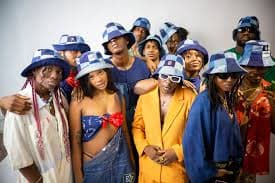
The brand had a precisely defined identity: contemporary African fashion, handmade and indigo-dyed, designed for the "conscious creative." The product was genuinely original. The audience, in theory, was obvious — fashion-interested buyers, African design enthusiasts, sustainable clothing seekers.
Ads ran. Results were moderate. Nothing was clearly broken, but nothing was producing results that matched what the brand's creative was capable of. The targeting felt logical. It wasn't unlocking the account.
WHY IT WAS HAPPENING
The assumption embedded in the targeting was the problem. The interest groups reflected what the brand is — fashion, African design, sustainability. But the actual buyer wasn't searching for "contemporary African fashion." They were living inside the cultural world from which this brand's identity emerged: music, heritage, creative identity, self-expression.
Fashion interest groups include everyone who engages with fashion content. This brand wasn't for everyone who likes fashion. It was for a specific person whose aesthetic and cultural identity overlapped with the brand's design language. That person didn't primarily live in the fashion interest bucket. They lived somewhere else. The team didn't know where until they tested without assumptions and read the result honestly.
THE SOLUTION
Sentinel — Scientific Media Buying: Rather than refining within expected interest categories, the team tested broadly — including clusters that had no obvious fashion connection. The principle: let the live account data, not pre-campaign assumptions, define what was working. Nigerian rappers emerged as the standout performing interest group across all clusters tested. Not adjacent. Not loosely related. The clear winner.
The finding was shared directly: "Within interest groups tested, Nigerian rappers were working best." The campaign structure was adjusted to weight this discovery. It wasn't treated as an anomaly to explain away — it was treated as a signal to build on.
Testing continued across geographies simultaneously. Nigeria wasn't in the original priority allocation for a London-registered brand with global positioning ambitions. The data made the case for it: 46 orders in a single month, 23 of them first-time customers, from only £300 in Nigerian ad spend. The cultural interest discovery and the geographic discovery reinforced each other. The buyer most aligned with the brand's cultural identity was converting at a cost-per-acquisition the UK and US campaigns couldn't match in the same period.
ROAS trajectory over the following weeks captured the compounding: 2.5X over two weeks, 3.5X the following week, 4.4X on the trailing four days by May 2024.
Mythos — Creative Advantage: The creative strategy followed the audience insight. The brand's visual identity — handcrafted fabric, contemporary silhouettes, saturated natural dyes — had cultural resonance that extended well beyond fashion category interest. Creative development focused on 9:16 vertical format for Stories and Reels, where the brand's aesthetic landed most naturally. Product-specific creative was built around the top converters: Baggy Cargo Trousers, Agbada Dress, Tetris Line Patch Tee.
Vault — Brand Value Engine: The Shopify customer list was used to seed lookalike audiences — cold targeting anchored in who had actually bought, not who the brand assumed would buy. This paired the cultural interest discovery with real buyer data, reinforcing both signals simultaneously.
THE RESULTS
4.4X ROAS on trailing four-day window, May 2024
4X overall ROAS for May 2024 — £8,950 revenue on £2,031 total ad spend
£2,000/month → £8,950/month in online store revenue across the engagement
46 orders from Nigeria in a single month — 23 first-time customers from only £300 in Nigerian ad spend
Orders from 5+ geographies — UK (England, British Forces), US (California, New York), Nigeria (Lagos), Netherlands, Sweden
ROAS progression within one month — 2.5X → 3.5X → 4.4X, driven by audience insight compounding
LESSONS FOR SIMILAR BRANDS
Category interest targeting assumes your buyer lives in the same mental world as the product category. For brands whose identity spans music, heritage, and design — not just fashion — the actual buyer may live in a completely different interest cluster. Test outside your category before concluding your audience is hard to find.
The best audiences don't appear in pre-campaign planning. They emerge from live data. Build a campaign structure designed to surface unexpected clusters, not just confirm expected ones. Test broadly, read the results honestly, and reallocate without ego.
Cultural alignment converts faster than demographic targeting. Once the right cultural interest cluster was identified, the account moved from 2.5X to 4.4X ROAS within a single month. Cultural resonance produces conversion efficiency that broad category targeting takes much longer to replicate — if it ever does.
CHALLENGES WE FACED
Instagram Shopping was unavailable during the early phase. The brand's Facebook Business Manager was registered with Nigerian account details, and Instagram Shopping is blocked for African-registered accounts. This meant ads ran on Facebook-only placements while the team escalated through platform support — limiting placement options during the first months, when the creative identity was strongest on Instagram.
Creative production was intermittently blocked. The brand's content pipeline depended on a small external team. When the primary creator was unavailable, the account ran on existing creative without fresh angles to test against the new audience discovery. Every production gap slowed the pace at which the cultural insight could be fully exploited.
BELIEFS CHANGED
"Target fashion interests for a fashion brand." The winning interest group had no obvious fashion connection. It was defined by cultural identity — the music and creative world from which this brand's aesthetic emerged. The data rewired the entire targeting strategy and produced the account's best ROAS period.
"The premium buyer lives in premium content buckets." The audience that converted at the highest rate wasn't concentrated in fashion or luxury content. They were culturally aligned with the brand's identity in ways that don't map onto standard interest taxonomies. Premium positioning doesn't mean premium-interest targeting. It means finding the specific cultural intersection where your actual buyer spends time — and the only way to find it is to test for it.
Want results like Thisisus?
Let's Scale Your Brand Next
Book a free strategy call and discover how we can help you hit your next revenue milestone.