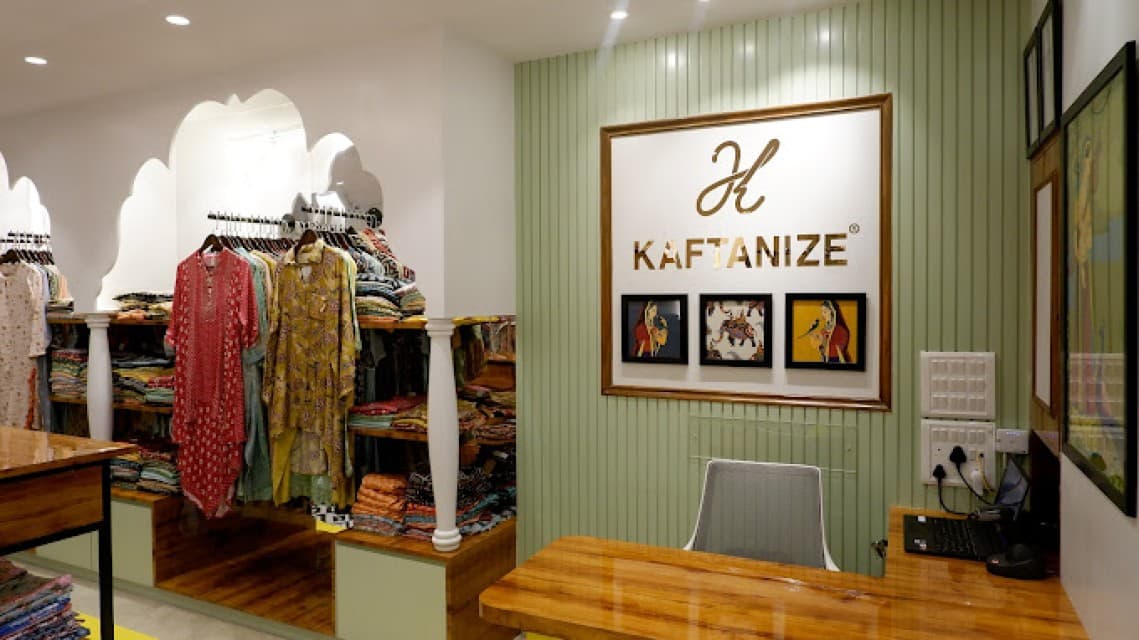
How this women's fashion brand used Myntra bestseller data to stop guessing on Meta — and hit ₹37,000/day in 6 weeks
The team's first creative brief after campaign launch didn't come from a brainstorm. It came from the Myntra backend. The brand had 600+ active styles, months of marketplace sales data, and a Meta account that had been sitting dormant under a previous agency. When the new campaign went live, the performance team pulled the Myntra bestseller report before opening ads manager. The products India's fashion buyers were already choosing — validated by real purchase behavior, not internal assumptions — became the creative brief. Within six weeks, the brand was generating ₹37,000 a day from its D2C website.
Services: Meta Ads Strategy, Marketplace-to-Meta Signal Transfer, Catalog Campaign Management, Creative Strategy, Festive Campaign Activation
THE PROBLEM
The brand had something most Indian D2C fashion brands spend years building: real product credibility, marketplace traction, and a returning customer base. Myntra and Nykaa were generating consistent sales. 600+ styles were actively listed, with new SKUs added every month.
The D2C website was generating ₹4 lakh a month. Meta ads were dormant — left in that state by the previous agency, with no creative system behind them and no strategy for what to run next. The channel that could have been compounding marketplace momentum had been idle.
WHY IT WAS HAPPENING
The two channels were treated as separate functions. Marketplace — for discovery and brand credibility. Meta — for paid acquisition, managed independently, with creative decisions driven by internal product preferences rather than actual buyer behavior.
The result: Meta was guessing. The brand's Myntra and Nykaa data — months of real purchasing decisions by Indian fashion buyers — had never been used to inform which products to run in ads. The algorithm had nothing trained on real buyer intent. The creative pool had no validated foundation to build from.
This isn't a rare problem. Most fashion brands with marketplace presence and a D2C site run them as entirely separate operations. The marketplace data just sits there.
THE SOLUTION
Mythos — Creative Advantage:
After campaign launch, the creative strategy was rebuilt around what the market had already decided. The team requested the top 10 performing SKUs from both Myntra and Nykaa. The data was shared. New Meta ads featuring those exact products went live the same day.
This is the core of the marketplace-to-Meta signal transfer: if an Indian fashion buyer has already paid for a product on Myntra, that is a confirmed purchase signal. The same woman is on Instagram. She's in the Meta audience. Running an ad featuring a product she's already proven she buys isn't guesswork — it's using her own behavior to speak to her.
The creative pool was built around this intelligence: co-ords and Pakistani suits identified from marketplace data, layered with festive campaign angles (Rakhi, Independence Day) running across Meta, Instagram Stories, WhatsApp, and email simultaneously. Nine creatives launched at campaign go-live, expanding to 30+ across verified bestselling categories over the engagement.
Sentinel — Scientific Media Buying:
The catalog campaign structure was built to match the brand's depth — 600+ active styles — with active management of out-of-stock SKUs to keep the data feed clean. When a product sold out or was discontinued, it was excluded from future catalog sets rather than removed from live campaigns, to avoid resetting the algorithm's learning phase.
Budget scaled from ₹20,000 to ₹30,000/day through August as performance signals consolidated. Audience frequency was actively managed — new creative variations were introduced rather than burning the same audience repeatedly. The algorithm was given both the product breadth and the clean signal it needed to find buyers at scale.
THE RESULTS
₹37,000/day in website revenue by the final week of August — six weeks after campaign launch
2,300 add-to-cart events in the first 30 days of full campaign activity
370 Meta-attributed purchases generated in the first full campaign month
₹4 lakh/month → ₹20 lakh/month in D2C website revenue over three months
Marketplace-to-Meta execution: same-day — Myntra/Nykaa bestseller data shared; new ads live before close of business
LESSONS FOR SIMILAR BRANDS
Your marketplace bestseller list is your Meta creative brief. If a product is in your top 10 on Myntra or Nykaa, it has already passed the test. Indian fashion buyers chose it with their own money. Don't run assumption-based creative on Meta when you have real purchase validation sitting in your marketplace backend.
Catalog depth is a structural Meta advantage, not a complexity problem. A clean catalog feed with 100+ SKUs gives the Meta algorithm more signal to find the right buyer for each product. A brand with genuine catalogue depth — and clean data excluding out-of-stock items — consistently outperforms brands running manual product selection.
Channel silos are a creative intelligence problem. Marketplace and Meta are not separate strategies. They're the same buyer at different stages of discovery. The moment you connect purchase signals from one to creative decisions in the other, you eliminate the guesswork phase entirely.
CHALLENGES WE FACED
Out-of-stock product management in live campaigns. Several SKUs in the running catalog were discontinued mid-engagement due to inventory depletion. Removing them from active campaign sets risked resetting the learning phase — erasing weeks of performance data. The team managed this by adding out-of-stock exclusions to future catalog sets rather than modifying existing live campaigns, requiring careful coordination as inventory changed.
Major marketplace sale events directly cannibalized D2C conversions. From late September, India's largest fashion marketplaces launched their biggest annual discount events. Buyers who would have converted on Meta were being redirected to marketplace deals. The team scaled back new acquisition and held ROAS rather than pushing spend into a window where marketplace discounting had shifted buyer intent away from D2C.
BELIEFS CHANGED
"Our marketplace data and our Meta ads are separate operations." The two channels share the same buyer. The products converting on Myntra aren't converting there because of some marketplace-specific magic — they're converting because Indian fashion buyers want them. That demand exists on Meta too. The gap is that most brands never close the loop between what's selling and what they're advertising.
"We need to test everything from scratch when starting a new Meta campaign." A new Meta account with no pixel history is a real disadvantage — but only if you have no other validated signal to start from. A brand's marketplace bestseller data bypasses the cold-start problem. You're not guessing at what to test first. You're starting with confirmed winners and letting the algorithm optimize from there.
Want results like Kaftanize?
Let's Scale Your Brand Next
Book a free strategy call and discover how we can help you hit your next revenue milestone.